
- By Talibuddin Khan
- Wed, 08 Apr 2026 08:22 PM (IST)
- Source:JND
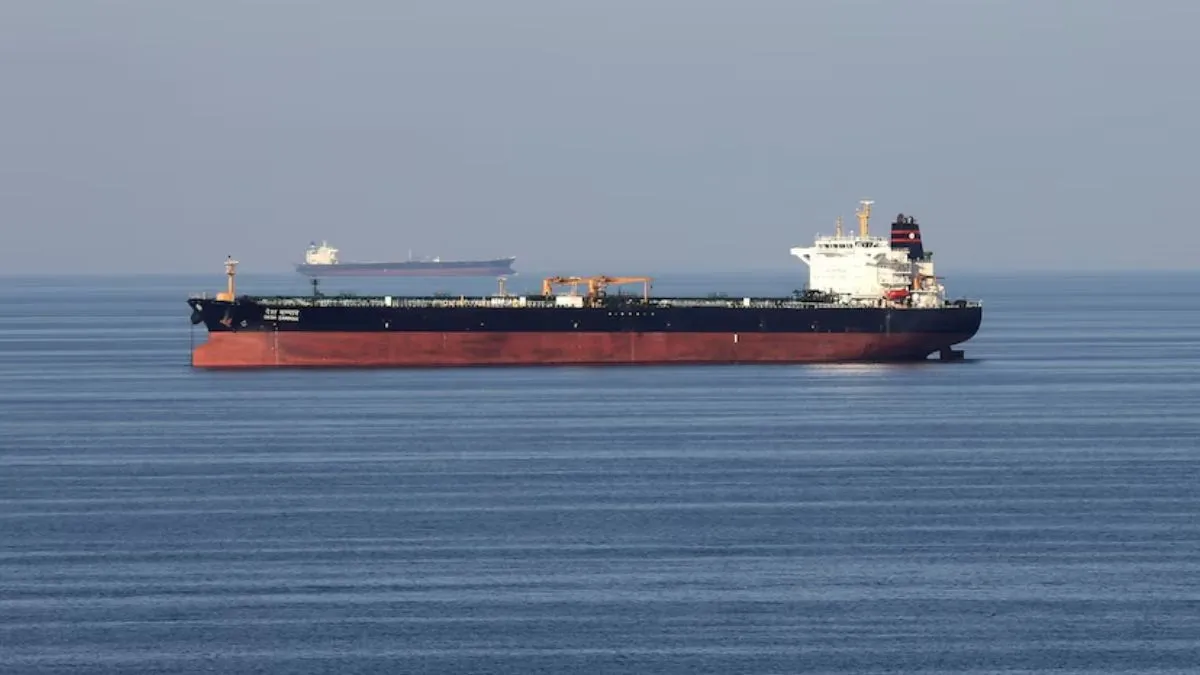
US-Iran Ceasefire: Nearly a day after a two-week ceasefire deal was reached between Iran and the US, which included the "safe and free" passage through the Strait of Hormuz, the Iranian Navy reportedly warned the ships that they still needed permission from Tehran to cross the waterway. The Iranian Armed Forces on Wednesday said that "Tehran will manage the Strait of Hormuz proactively and control it intelligently."
According to a report by the US-based media outlet, The Wall Street Journal, the Iranian Navy, in a radio message, told the ships that they will be "attacked and destroyed" if they attempt to cross the strait without prior permission from Iran.
"You must receive permission from the Iranian Sepah Navy for passing through the Strait. If any vessel tries to transit without permission, will be destroyed," the message said, as reported by WSJ.
Meanwhile, two ships have crossed the crucial waterway with Iran's permission, becoming the first vessels to pass through the strait after the ceasefire.
According to the maritime traffic monitor, MarineTraffic, the two commercial vessels included a Greek-owned bulk carrier, NJ Earth, which crossed the strait at 08:44 UTC, and a Liberia-flagged Daytona Beach, which transited at 06:59 UTC.
Vessel movements resume in the Strait of Hormuz following ceasefire announcement
— MarineTraffic (@MarineTraffic) April 8, 2026
Early signs of vessel activity are emerging in the Strait of Hormuz following a ceasefire announcement, which includes a temporary reopening of the strategic waterway to allow for negotiations.… pic.twitter.com/CSy6PZlCJ4
Iran Likely To Open Strait of Hormuz By Friday:
Iran is likely to open the Strait in a limited and controlled way on Thursday or Friday. According to a report by Reuters, quoting an Iranian official, the reopening of the strait might take place before a meeting between the US and Iranian officials in Pakistan's Islamabad later this week.
"If an understanding on a framework for talks is reached, the strait could be opened, limited, under Iran's control. Coordinating with the Iranian military will be mandatory for all ships. Still, the ceasefire is fragile; however, we prefer lasting peace, but Iran has no fear of returning to war if the US wants go the same way," the official said, as quoted by Reuters.
ALSO READ: How Pakistan Played A Big Role In Pausing Iran-US War?
According to reports, over 800 vessels have been stranded in the Strait of Hormuz due to the blockade by Iran. Since the war, ships have to submit a formal request through the vessel's agent in Iran to seek clearance. The vessel operators have to submit ownership documents, management, financing, insurance and trading history, including proof of no US or Israeli affiliation.
India Approaches Tehran For Safe Passage Of Stranded Vessels
According to a report by Jagran.com, India has contacted Iranian authorities seeking safe passage for its stranded ships carrying oil and gas in the Strait of Hormuz. At least 16 Indian vessels have been stranded in the western sector of the Strait of Hormuz.
Most of these vessels are oil and gas tankers and collectively carry over 2,00,000 tons of LPG. India imports approximately 85 per cent of its total crude oil requirements, with West Asia accounting for nearly 60 per cent of these imports.
ALSO READ: How Final 90 Minutes Stopped Iran's 'Total Obliteration'; What Made Trump Halt Strikes?
India also welcomed the two-week ceasefire and called for unimpeded freedom of navigation and flow of commerce through the Strait of Hormuz. India said it continuously advocated that dialogue and diplomacy are essential to bring an early end to the hostilities.
"We welcome the ceasefire reached and hope that it will lead to a lasting peace in West Asia. As we have continuously advocated earlier, de-escalation, dialogue and diplomacy are essential to bring an early end to the ongoing conflict," External Affairs Ministry spokesperson Randhir Jaiswal said.
"The conflict has already caused immense suffering to people and disrupted global energy supply and trade networks. We expect that unimpeded freedom of navigation and global flow of commerce would prevail through the Strait of Hormuz," he added.