
- By Raju Kumar
- Sat, 11 Apr 2026 09:59 AM (IST)
- Source:JND
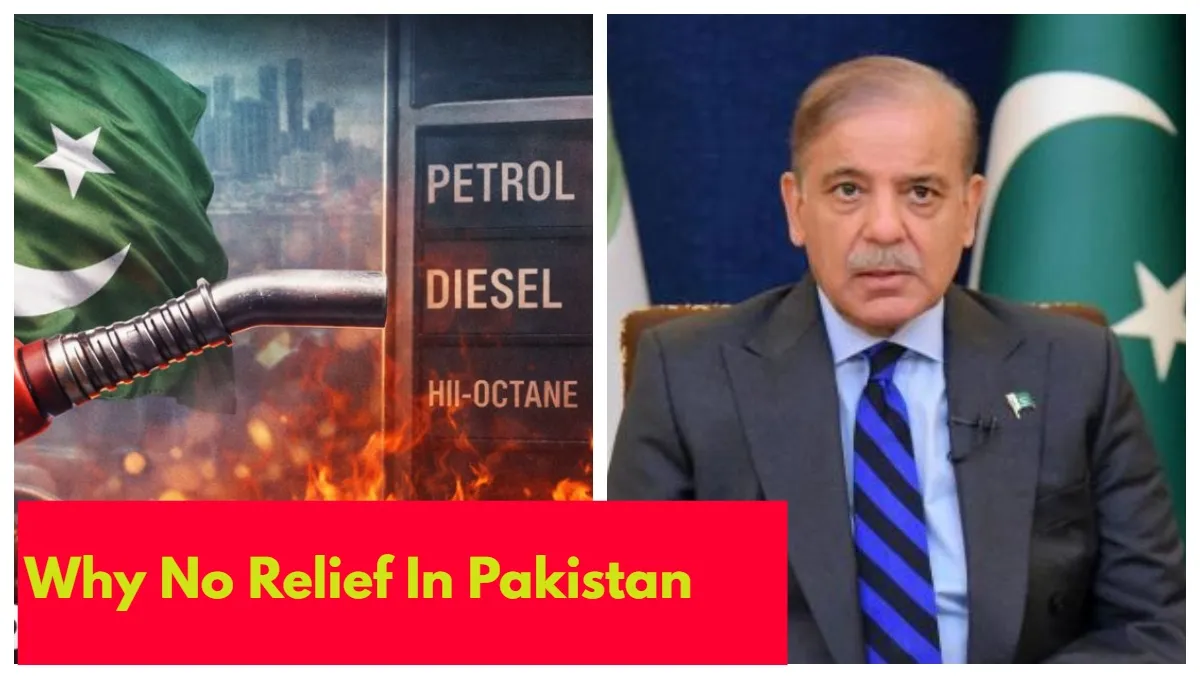
Pakistan Fuel Prices: Prime Minister Shehbaz Sharif announced a reduction in fuel prices in an attempt to give relief to people in Pakistan. The price of diesel was cut by Rs 135 per litre, bringing it down from Rs 520 to Rs 385 per litre. The price of Petrol has been reduced by Rs. 12 per litre, from Rs. 378 to Rs. 366 per litre. The data shows that despite a major reduction in prices, the fuel rates continued to pinch common people.
On the one hand, PM Shehbaz Sharif is boasting his government's effort to bring peace in the Middle East, on the other hand, he left common people to their own fate as they continued to suffer due to domestic inflation.
ALSO READ: Trump's Fresh Threat, Iran's Conditions: All Eyes On Islamabad As US-Iran Peace Talks To Begin Today
Ceasefire Eases Fuel Stress
Traffic through the key Strait of Hormuz - used to transit one-fifth of global oil and gas supply - remains at a fraction of pre-war levels, with most of the ships that sailed through the strait in the past day linked to Iran. The partial movement through the narrow sea route succeeded in bringing down the fuel prices globally, providing a much-needed cushion. Oil futures dipped on Friday, with US crude settling down USD 1.30 to USD 96.57 a barrel and Brent finishing at USD 95.20 a barrel, down 72 cents.
Why Is No Relief To People In Pakistan?
The prices of crude oil have come down from around USD 117 to around USD 95 after a temporary pause in the 40-day-long war between the US and Iran. The ceasefire provided a temporary relief across the globe, yet Pakistan is suffering. The Sharif government has announced a fuel price reduction, yet rates remain out of commoners' reach. The relief feels limited for citizens. Despite the fragile US-Iran ceasefire, global oil prices remain volatile, and Pakistan’s heavy reliance on imported fuel, a weak rupee, and high taxes continue to keep pump prices elevated. Massive petroleum levies and inflation make the fuel price cut ineffective. Inflation concerns continue to mount as the Pakistani government has failed to find alternatives to Gulf oil. The fluctuation in global crude oil prices has heightened worries about further price hikes for petroleum products in the country.
The impact is especially felt by lower-income groups, who find it increasingly difficult to afford even the most basic essentials. Structural issues such as poor governance, inefficient taxation systems, and reliance on foreign loans have compounded the problem. The government's inability to implement long-term solutions, coupled with external factors like global commodity price fluctuations, has deepened the financial distress experienced by the population.
(With Agencies inputs)