
- By Akansha Pandey
- Mon, 13 Apr 2026 10:09 AM (IST)
- Source:JND
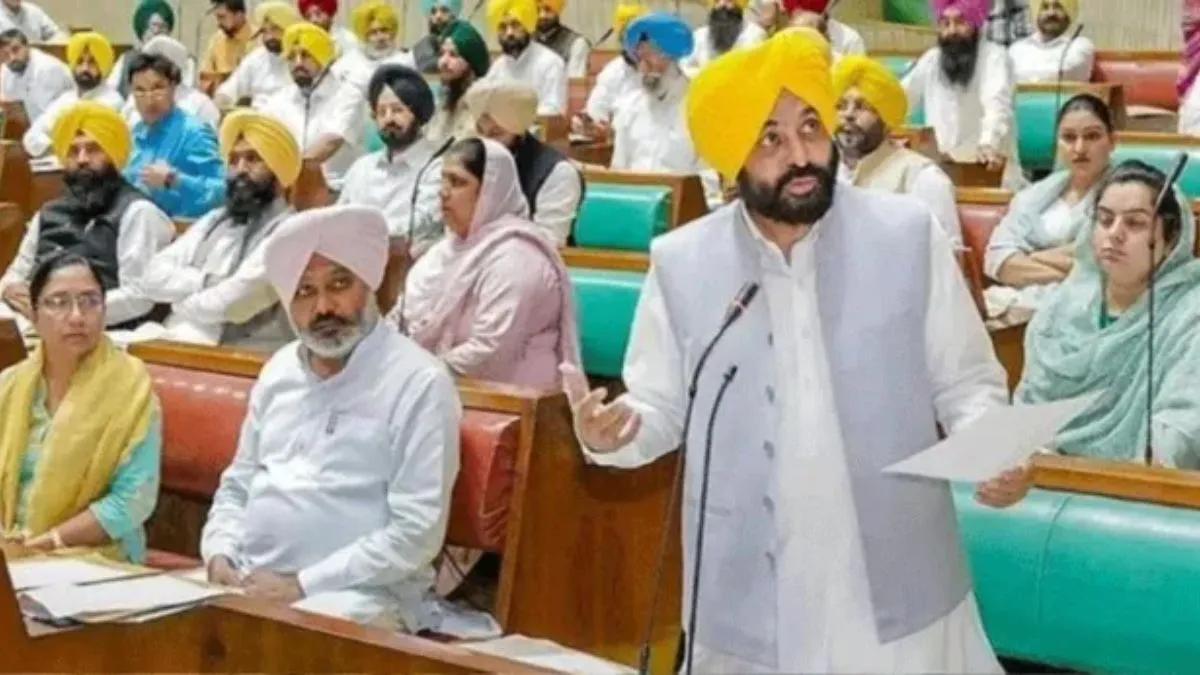
The Punjab Government has convened a special session of the Legislative Assembly this Monday to introduce the Jagat Jyoti Guru Granth Sahib Satkar Act 2026. While the bill, recently approved by the cabinet, is expected to pass easily in the house, it faces a significant hurdle regarding gubernatorial and presidential consent. The initiative seeks to address nearly 600 reported incidents of desecration documented over the last decade.
Stricter Penalties And Legal Conflicts
The proposed legislation seeks to impose severe punishments for the sacrilege of the Sri Guru Granth Sahib, including:
Imprisonment: Ranging from 10 years to life in prison.
ALSO READ: UP Accident: Bus With Wedding Returnees Collides With Truck In Hapur; 6 Dead, Several Injured
Fines: Between Rs 5 lakh and Rs 25 lakh.
The primary challenge lies in the fact that these state-proposed penalties conflict with existing central laws. While the Punjab Government maintains that this is a state matter and does not require the President's approval, historical precedent suggests the Governor may refer the bill to the President for final review.
Political Backlash And Historical Context
Opposition leaders have criticised the move, with Punjab Congress President Amarinder Singh Raja Warring labeling the special session a "theatrical stunt." He argued that the government has failed to convict any culprits in the last four years and accused them of bypassing consultations with legal experts and scholars to mask their shortcomings.
This is not the first attempt to pass such legislation:
2016: A similar bill was returned by the President, who noted that penalties for insulting religious texts must be uniform across all faiths rather than specific to one.
2018: The government amended the bill to include all religious scriptures, yet it has remained pending for presidential approval for eight years.
The Current Stalemate
The 2026 Act specifically targets the desecration of the Sri Guru Granth Sahib with life imprisonment. If the central authorities maintain the stance that all religious texts must be treated equally under the law, this latest bill may face the same legal deadlock as its predecessors from 2016 and 2018.